
Spanish kitchen
Spanish tapas in Costa del Este
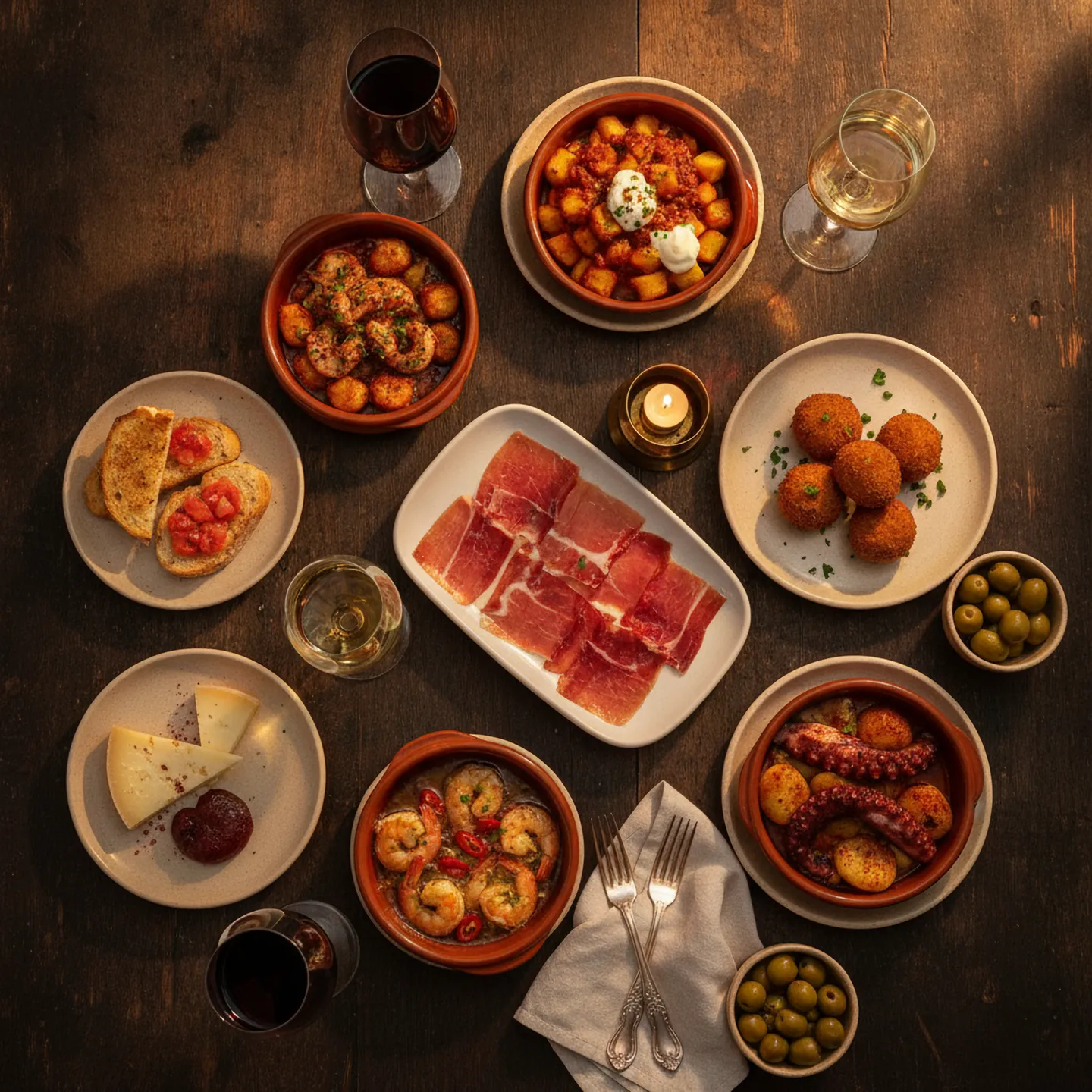
Creamy croquettes, hand-carved acorn-fed Iberian ham, patatas bravas, tortilla, octopus, rice dishes and fideuà. The tapeo you know, with produce that earns it.
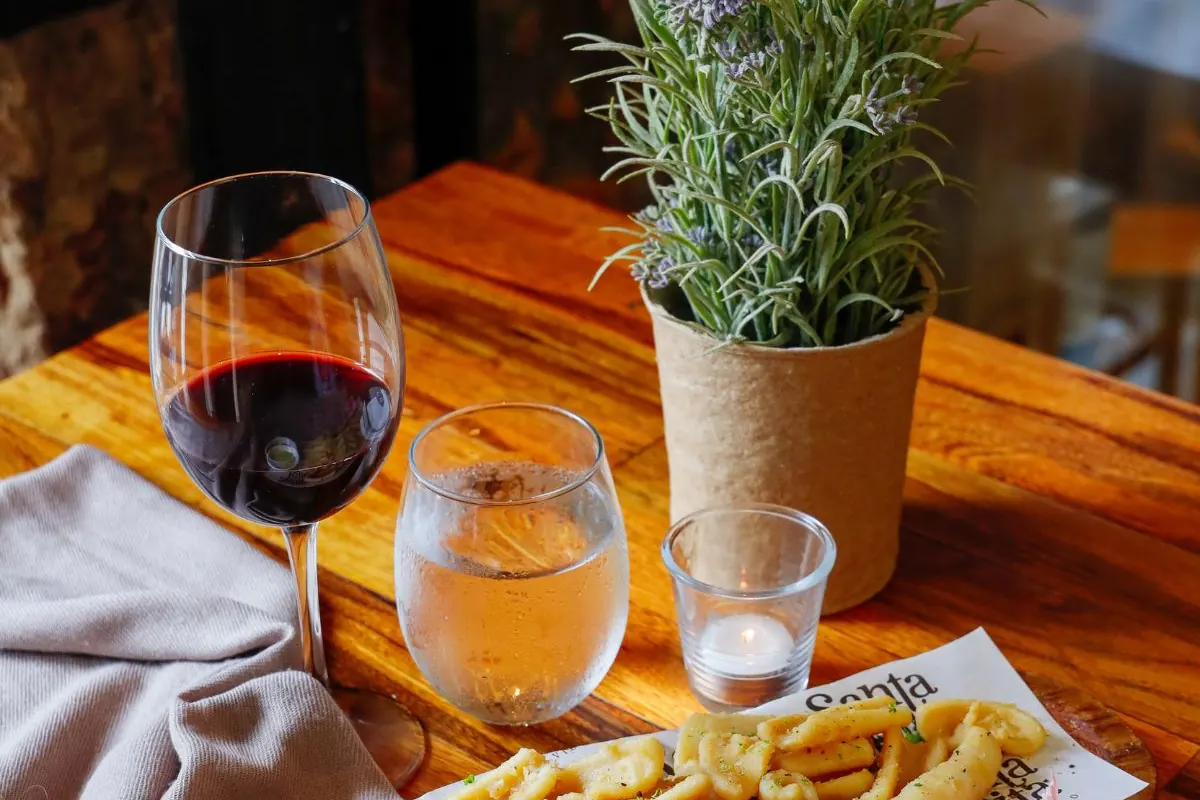 Acorn-fed Iberian ham
The bar
Niño Muñoz opened his first restaurant in Barcelona at 21
He comes from a family of cooks: his father and his grandfather were chefs before him. That schooling — the Spanish tavern, the produce, the fire handled properly — is what goes out every night at Santa Rita.
Our tapeo is not a tourist version. It is real bread with tomato, Russian salad our way, creamy croquettes that collapse when you bite them, patatas bravas with a proper kick, Spanish tortilla set to order and broken eggs the way a Madrid tavern makes them.
And from the sea: Galician and grilled octopus, Andalusian-style calamari, shrimp in garlic sauce, clams in garlic and white wine, tuna tataki and a Panamanian sea bass ceviche with our Spanish touch.
To share
Our tapeo, plate by plate
Three to five plates for every two people, depending on how hungry you are.
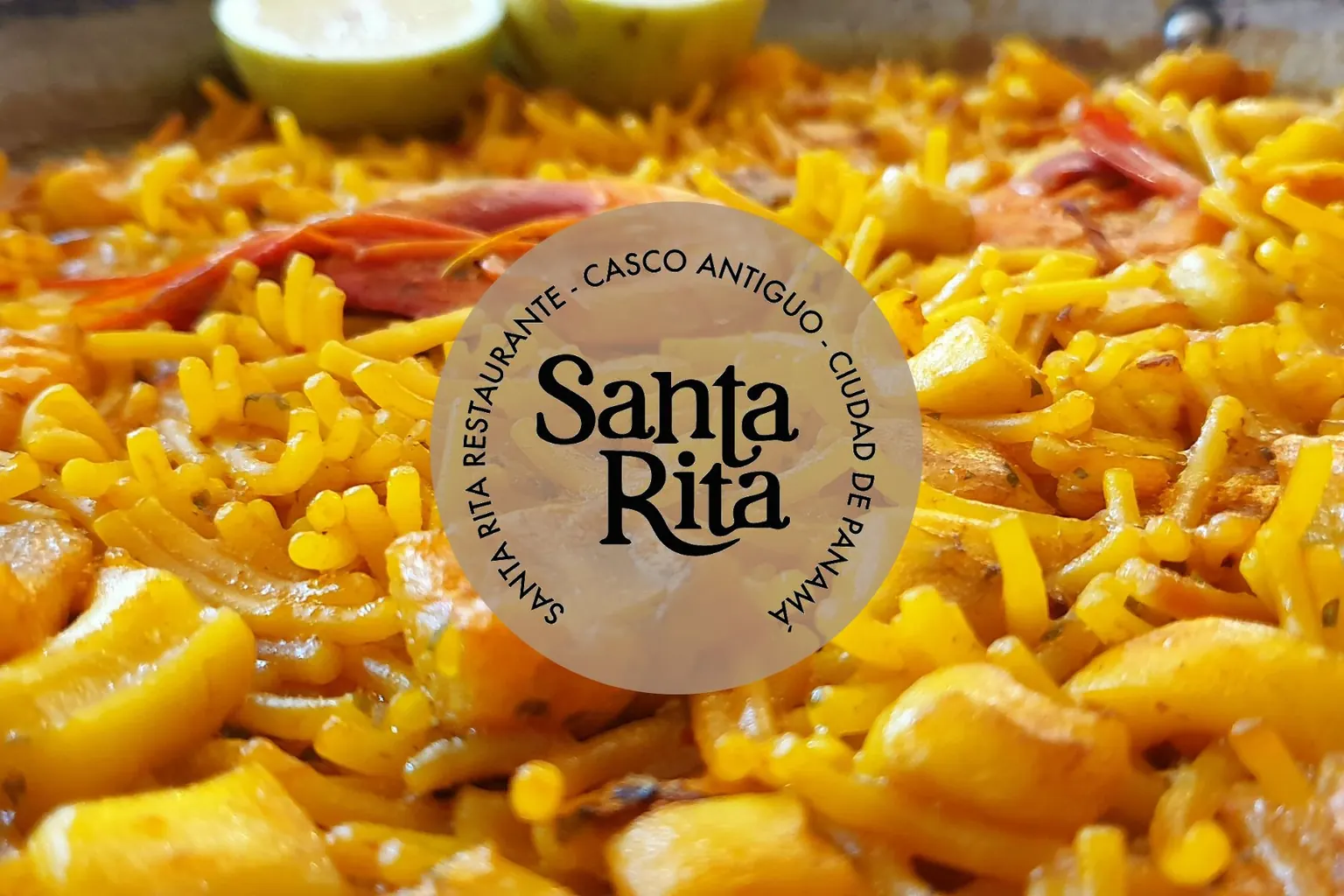
Rice and fideuà
Slow-fire cooking, and the patience it takes
Rice is where a Spanish kitchen is really tested. Ours are made to order with no shortcuts: creamy oxtail rice, seafood black rice with aioli, and meat fideuà, also with aioli.
Beside them, the stews that hold up the menu: tripe with Spanish chorizo, beef stew with mushrooms and potatoes, and oxtail in its own juices with red wine and potatoes.
Frequently asked questions
About our tapeo
Which Spanish tapas can I order?
Patatas bravas our style, bread with tomato, Russian salad, hand-carved acorn-fed Iberian ham, Manchego cheese, creamy croquettes, Spanish tortilla, broken eggs, Andalusian-style calamari, shrimp in garlic sauce, clams in garlic and white wine, Galician octopus and grilled octopus.
Do you serve rice dishes and fideuà?
Yes. Creamy oxtail rice, seafood black rice with aioli and meat fideuà with aioli, all in the “Our classic dishes” section, alongside tripe with Spanish chorizo and oxtail in red wine.
How many tapas should we order per person?
As a guide, three to four plates for every two people if you are also sharing a main, or four to five if the tapeo is the whole meal. Our floor team will steer you depending on the group.
Is there a croquette of the month?
Yes. Beyond the three regulars — acorn-fed Iberian ham, cod with piquillo peppers and octopus in squid ink — there is always a rotating special. Ask for the one running this month.
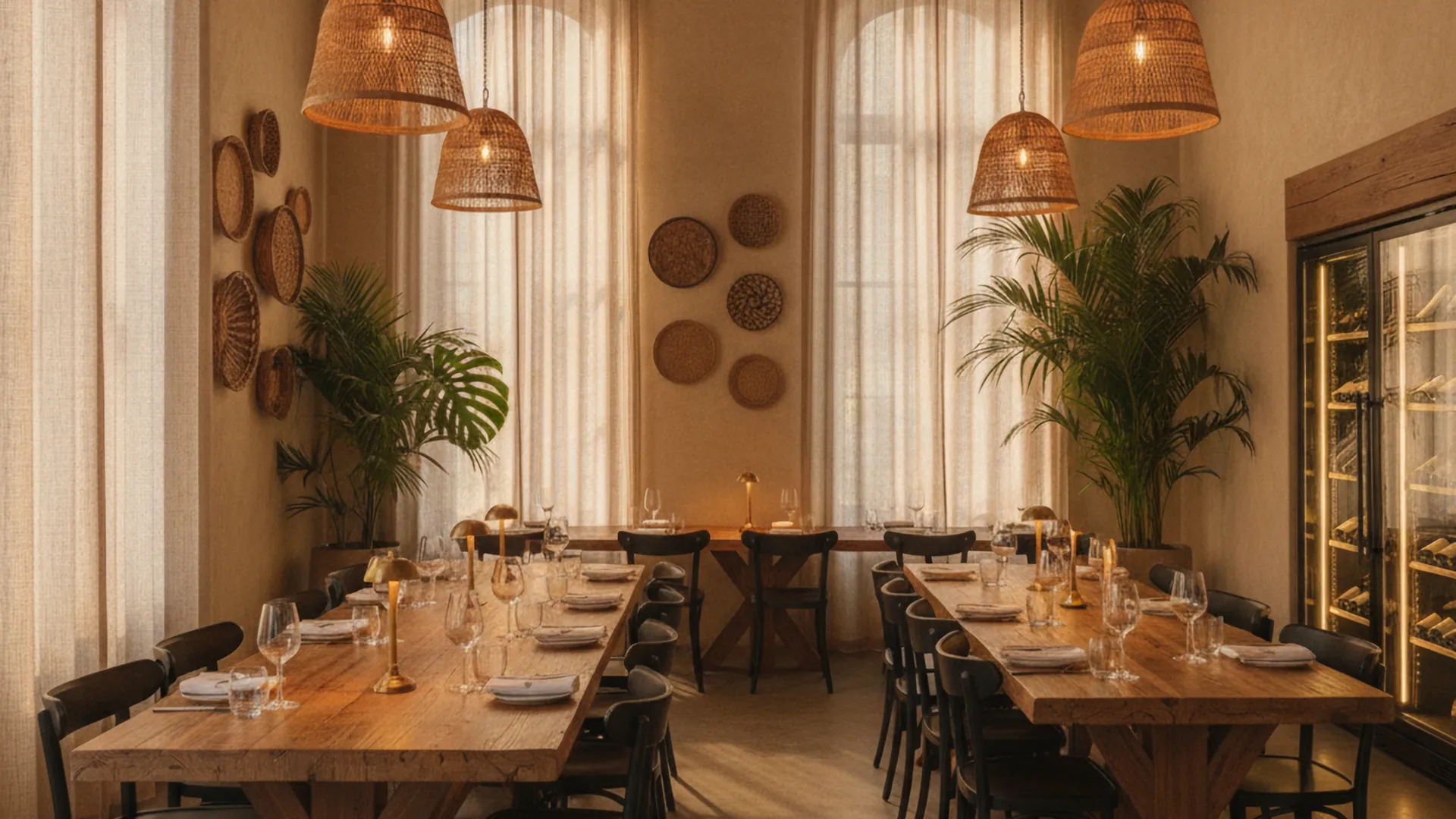
One table, many plates, no rush
Book, and let the table fill up slowly. That is how Spain eats.